

Why Support Matters More Than Ever in a World That's Forgotten How to Show Up
From postpartum recovery to divorce, grief to end-of-life care, Stages Doula offers compassionate support through life's hardest transitions — because getting through something isn't the same as being held through it.
There's a particular kind of loneliness that doesn't get talked about enough. It's not the loneliness of being alone on a Friday night. It's the loneliness of going through something enormous — a new baby, the end of a marriage, the death of someone you love — and realizing that the people around you, despite their best intentions, don't quite know how to be there.
We live in a time of unprecedented connection. Our phones never leave our hands. We can reach anyone in the world within seconds. And yet, when life gets hard — truly hard — so many people find themselves navigating their most difficult moments without a steady, present, knowledgeable person beside them.
That gap is real. And it matters more than most of us want to admit.
The Myth of "I've Got People"
Most of us believe we have a support system. We have family, friends, maybe a therapist we see once a month. When a crisis or transition arrives, we tell ourselves we'll lean on them.
But here's what tends to happen instead: Friends don't know what to say, so they say nothing. Family members show up with opinions instead of listening. Partners are drowning in their own version of the same chaos. The therapist appointment is two weeks away. And suddenly you're in the thick of something that is reshaping your identity — postpartum fog, divorce paperwork, a terminal diagnosis, the first weeks of grief — and you're managing it largely alone.
This isn't anyone's fault. We live in a culture that has largely lost the village. The extended family networks, the neighborhood support systems, the rituals of communal care — they've eroded. People move away from home. Schedules don't sync. Everyone is exhausted. And we've quietly normalized the idea that major life transitions are something you just get through.
But "getting through" something isn't the same as being held through it.
What Disconnection Actually Costs Us
The research on social isolation and its effects on health is striking. Chronic loneliness carries serious physical health consequences — impacting the immune system, cardiovascular health, and even cognitive function. But even short-term isolation during pivotal life moments can have lasting effects on mental health, identity, and our ability to trust ourselves going forward.
Think about a new mother in her third week postpartum — exhausted, unsure of herself, her body unfamiliar, her relationship shifting, her sense of self in a kind of free fall. Now imagine she's been told to "enjoy every moment" and that she should be fine because she has a healthy baby. The gap between what she's actually experiencing and what she's allowed to express becomes its own kind of wound.
Or consider someone whose marriage is ending. Divorce is one of the most disorienting experiences a person can go through — not just logistically, but existentially. Who am I now? What do I want? How do I even begin? Friends often pick sides, or disappear. Showing up for someone in divorce is uncomfortable, and most people avoid discomfort.
Or someone receiving an end-of-life diagnosis — or caring for someone who has. Or someone three months into grief, when the casseroles have stopped coming and the world expects you to be "moving on."
In each of these moments, what people most need is someone who is trained to be present — not to fix, not to judge, not to project their own anxiety onto the situation — but simply to show up, consistently, and offer grounded, compassionate support.
This Is What Doulas Actually Do
Most people still associate the word "doula" exclusively with childbirth. And yes, birth doulas do extraordinary work. But the role of the doula has always been, at its core, about presence during transition — and life is full of transitions that deserve that kind of care.
At Stages Doula in Bend, Oregon, the practice is built on exactly this understanding: that every major stage of the human experience deserves to be met with dignity, steady support, and a knowledgeable guide.
Stages Doula offers compassionate, non-medical support across five areas of care:
Postpartum Support The weeks after a baby arrives can be beautiful and brutal in equal measure. Postpartum doula care provides practical help — meals, infant care, rest — alongside emotional support during a time when new parents are simultaneously depleted and expected to be glowing. Packages range from the Postpartum Nurture Package (9 hours of daytime support, focused on rest and recovery) to the Postpartum Restore Package, which blends practical help with emotional guidance through the first month home.
Divorce Support Divorce doula care is perhaps the least-known but deeply needed service. Going through a separation means navigating not just legal and logistical upheaval, but a profound shift in identity, routine, and future. The Divorce Grounding Package offers six sessions focused on emotional regulation and clarity, while the Divorce Renewal Package extends to twelve sessions with a personal transition plan and between-session support. Both are available in-person in the Bend area or virtually.
Life Transition Support Not every turning point has a name. Career changes, moves, health crises, identity shifts, relationship changes — all of these can leave people feeling unmoored without a map. Life Transition doula support helps clients find footing during these in-between times, with packages designed to offer both clarity and the kind of ritual that helps mark and honor change.
End-of-Life Support Death is one of the most profound transitions there is, and one of the most poorly supported in modern Western culture. End-of-life doula care provides presence, practical planning guidance, family support, and — when the time comes — vigil presence. This care is offered in-person in Bend, Oregon, and is designed for both the individual and the family walking alongside them.
Bereavement Support Grief doesn't end when the memorial service does. Bereavement doula care offers sustained, compassionate support through loss — whether the loss is recent or long-carried. From the Gentle Grief Package (six sessions over two months) to the Bereavement Healing Package, which includes guided journaling and ritual support, this care creates space to process loss without pressure to perform recovery.
Bend, Oregon — and Beyond
Stages Doula is based in Bend, Oregon, serving individuals and families throughout Central Oregon — including Redmond, Sisters, Sunriver, La Pine, Prineville, and the surrounding region. Many services, including divorce support, life transition support, and bereavement care, are also available virtually, making this kind of support accessible wherever you are.
Central Oregon is a place where people come for the beauty, the outdoor lifestyle, the sense of community. But even here — especially here — people are often navigating life's harder chapters without enough support. The transient nature of resort towns, the distances between communities, the culture of stoic self-sufficiency that the Pacific Northwest is known for — all of it can make asking for help feel harder than it needs to be.
There is nothing weak about recognizing that you're in the middle of something hard and wanting a skilled, caring person beside you.
The Case for Asking for Help Before You're Desperate
One of the things that makes doula support different from crisis intervention is that it works best when it begins before you hit bottom. Doula care is proactive, not reactive. It's about having someone in your corner from the beginning of a transition — someone who can help you prepare, process, and move forward with intention rather than just survive.
The postpartum period is easier when support begins before the birth. Divorce is less destabilizing when you have a grounding presence from the early stages. Grief is less isolating when there's a consistent, compassionate presence from the beginning.
The world may have forgotten how to show up for people during life's hardest chapters. But that support is still possible — and it can make a profound difference.
You Don't Have to Navigate This Alone
If you or someone you love is in the middle of a major life transition — a new baby, a marriage ending, a significant loss, a terminal diagnosis, or simply a season of profound change — Stages Doula is here.
Reach out to explore what support could look like for your specific situation. All packages are tailored to your needs, and a conversation is always the first step.
Stages Doula | Bend, Oregon doula@stagesdoula.com stagesdoula.com
*Serving Bend, Redmond, Sisters, Sunriver, La Pine, Prineville, and all of Central Oregon. Virtual services available throughout Oregon and beyond.
*Stages Doula provides non-medical emotional, practical, and informational support. Doula services are not a substitute for medical or mental health care.
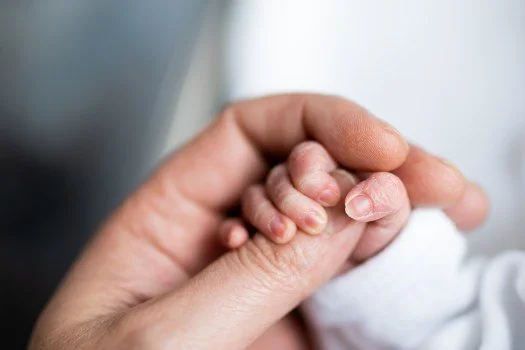
5 Reasons to Hire a Postpartum Doula
5 Reasons to Hire a Postpartum Doula
When people prepare for a new baby, most of the focus goes toward pregnancy and birth. The nursery gets set up, the birth plan is written, and the hospital bag is packed. But what often gets overlooked is what happens after you come home.
When people prepare for a new baby, most of the focus goes toward pregnancy and birth. The nursery gets set up, the birth plan is written, and the hospital bag is packed. But what often gets overlooked is what happens after you come home.
The postpartum period can be one of the most tender and demanding times in a parent’s life. You’re healing, adjusting, learning your baby, and navigating a completely new rhythm. It’s beautiful, but it can also feel like a lot.
This is where a postpartum doula can make all the difference.
A postpartum doula is there to support you in those early weeks and months with your baby. Not to take over, but to walk alongside you. To offer guidance, reassurance, and practical help so you don’t have to figure everything out on your own.
One of the biggest shifts families notice right away is the emotional support. The early days with a newborn can feel isolating, even when you’re surrounded by people. There’s something powerful about having someone in your space who understands what you’re going through and meets you without judgment. Whether you need to talk through a feeding challenge, process your birth experience, or simply have someone say, “Yes, this is normal,” that kind of presence matters more than most people expect.
Along with emotional support comes growing confidence. Newborn care isn’t instinctive for everyone, and that’s okay. A postpartum doula helps you learn your baby’s cues, find your rhythm, and feel more sure of yourself in your decisions. Instead of second guessing everything or scrolling through conflicting advice online, you have a trusted, knowledgeable person guiding you in real time. Over time, that steady support helps you feel more grounded and capable in your role as a parent.
Feeding support is another area where families often feel a huge difference. Whether you’re breastfeeding, bottle feeding, pumping, or doing a combination, having someone there to help troubleshoot and encourage you can ease a lot of stress. Many parents struggle silently with feeding in the early weeks, and having support can turn that experience into something far more manageable and even empowering.
Rest and recovery are just as important, though they’re often the hardest things to come by. Healing from birth takes time, and sleep deprivation can make everything feel heavier. A postpartum doula helps create space for you to rest. That might look like holding the baby while you nap, helping with light household tasks, or simply making sure you’ve had something to eat and drink. These small acts of care add up in a big way and can have a real impact on how you feel physically and emotionally.
Support doesn’t stop with you, either. A new baby changes the dynamic of the whole household. Partners are adjusting, siblings are finding their place, and everyone is learning together. A postpartum doula can help ease that transition, offering guidance and support so the entire family feels more settled and connected during this time.
Something that more families are discovering is that support doesn’t have to be in person to be meaningful. Virtual postpartum doula care has become a valuable option, especially for those who want flexibility or don’t live near in-home services. With virtual support, you still have access to expert guidance when questions come up, whether that’s around feeding, sleep, recovery, or simply wondering if something is normal. It can feel incredibly reassuring to know you can reach out and get thoughtful, personalized support without having to wait or figure it out alone.
Every family’s postpartum experience is different, but one thing is consistent. When you feel supported, everything becomes a little more manageable. You’re able to be more present, more confident, and more at ease in your new role.
If you’re thinking about what kind of support you want after your baby arrives, it’s worth considering what it would feel like to not have to do it all on your own.
You can learn more about postpartum doula support, including virtual options, at https://www.stagesdoula.com.

Why Support Matters During Divorce
Why Support Matters in Divorce.
Divorce is often talked about in terms of logistics—paperwork, timelines, legal steps. But anyone who has been through it knows that the real experience runs much deeper. It’s emotional, disorienting, and at times, incredibly lonely.
It’s not just the end of a relationship. It’s the unraveling of routines, identities, and expectations for the future.
And that’s exactly why support matters.
The Quiet Weight of Going Through It Alone
Many people going through divorce feel like they have to “hold it together.” For their kids. For their work. For their families. There’s pressure to stay composed, make smart decisions, and move forward quickly.
But underneath that strength, there’s often:
Grief that comes in waves
Uncertainty about what’s next
Mental exhaustion from constant decision-making
A deep need to be seen and understood
Physical and body adjustments
Without support, all of that can feel overwhelming.
Support is a Needed Stabilizer
Having the right kind of support during divorce doesn’t just make things easier—it changes the experience entirely.
Support can:
Help you process emotions instead of suppressing them
Create space to make clear, grounded decisions
Reduce stress and burnout
Remind you that you are not alone in this
Help with body regulation
It becomes an anchor during a time when everything else may feel like it’s shifting.
What Makes Divorce Support Different?
Friends and family can be incredibly helpful but they’re also emotionally involved. They may have opinions, biases, or their own reactions to your situation.
This is where dedicated support like working with a divorce doula can be especially meaningful.
A divorce doula offers:
Nonjudgmental, steady emotional support
Guidance through the transitions and unknowns
A calm, grounded presence during difficult moments
Help staying organized and focused when things feel chaotic
It’s not about replacing legal, mental health or financial professionals it’s about supporting you as a whole person through the process.
You Don’t Have to Navigate This Alone
One of the hardest parts of divorce is the feeling that you have to figure everything out on your own. But you don’t.
Having someone walk alongside you. Someone who understands the emotional landscape of divorce and can hold space for both the practical and the personal can make a profound difference.
A Different Way to Move Through Divorce
At Stages Doula, divorce support is approached with care, intention, and deep respect for your experience. This isn’t about rushing you through the process or telling you what to do. It’s about meeting you where you are and helping you move forward in a way that feels grounded and supported.
Whether you’re at the very beginning, in the middle of the process, or trying to rebuild afterward, having consistent support can help you feel more steady, more clear, and more like yourself again.
You Deserve Support Through Every Life Transition
We often think of support as something we need only during beginnings—birth, new jobs, new relationships. But endings deserve just as much care.
Divorce is a major life transition. And like any transition, it deserves to be supported with compassion, presence, and intention.
You don’t have to do this alone. And you don’t have to do it without care.

One Role of a Doula: Providing Resources and Advocacy
Stages Doula
One important role of a doula is helping clients connect with supportive resources within their community. Doulas are familiar with local networks of peer groups, nonprofits, educational programs, and community organizations that can support families during major life transitions. Whether a client needs postpartum support, parenting groups, grief resources, or caregiver support, a doula can help identify options that align with the client’s values and needs. By sharing trusted resources, doulas reduce the burden of searching for help during times that can already feel overwhelming.
Advocacy is another core aspect of doula support. Doulas help clients clarify their goals, preferences, and concerns, and encourage them to communicate these needs with healthcare providers, family members, or support systems. Rather than speaking for a client, a doula helps individuals feel confident asking questions, exploring options, and making informed decisions. This empowerment helps clients maintain autonomy and feel respected throughout their experiences.
Doulas also recognize that many challenges such as postpartum adjustment, grief, relationship changes, or caregiving stress are best supported within community. By connecting families to peer groups, nonprofit organizations, and community programs, doulas help ensure that clients have ongoing support beyond the doula relationship. In this way, doulas act as bridges between families and the broader network of care that exists within their local community.
Bend, Oregon Community Resources
Postpartum Support
• WellMama – Offers postpartum peer support groups, community gatherings, and text-based peer support for new parents.
Website: https://www.wellmama.help
• Postpartum Support International – Offers free online postpartum depression and anxiety peer support groups accessible to parents in Bend and across the U.S.
Website: https://www.postpartum.net
Divorce Support
• Family Resource Center of Central Oregon – Provides family programming, parent education, and support services for families navigating transitions such as separation or divorce.
Website: https://frconline.org/what-we-do/programming-services.html
• Meetup – Hosts local Bend-area groups where individuals experiencing divorce or major relationship changes can connect with others and rebuild community.
Website: https://www.meetup.com
• Deschutes County Health Services – Maintains a community resource directory that includes support services and programs for families and individuals navigating major life changes.
Website: https://www.deschutes.org/health/page/community-resources-english
Major Life Transition Support
• The Fathers Group – Hosts gatherings and peer support opportunities for fathers navigating parenting, identity shifts, and family life transitions.
Website: https://thefathersgroup.org
• Better Dads Project – Provides fatherhood programs, peer connection opportunities, and community-building events for dads.
Website: https://betterdadsproject.com
• Bend Emerging Talent – A program through the Bend Chamber that helps emerging professionals build connections, develop leadership skills, and engage with the community through networking events, workshops, and mentorship opportunities.
Website: https://www.bendchamber.org/bendnext/emerging-talent
End-of-Life Support
• Partners In Care – Provides hospice services, volunteer programs, caregiver resources, and community education around end-of-life care.
Website: https://partnersbend.org
• Peaceful Presence Project – Supports community-based end-of-life doulas who offer non-medical companionship and support to individuals and families.
Website: https://peacefulpresenceproject.org
Grief and Bereavement Support
• Living Undone – Offers grief circles, community gatherings, and peer-based support groups for people navigating loss.
Website: https://www.livingundone.org
• GriefShare – Facilitates peer-led grief support groups hosted by churches and community organizations in Bend.
Website: https://www.griefshare.org
Caregiver Fatigue & Mental Health Support
• NAMI Central Oregon – Hosts peer-led family and caregiver support groups for those supporting loved ones with mental health challenges.
Website: https://namicentraloregon.org
• Partners In Care – Provides caregiver support groups and educational resources for people caring for loved ones with serious illness.
Website: https://partnersbend.org
Stages Doula offers compassionate, full-spectrum doula support for individuals and families navigating major life transitions. Through personalized support and practical guidance, Stages Doula helps clients feel informed, grounded, and less alone during times of change. The practice connects clients with trusted community resources and encourages self-advocacy so individuals can communicate their needs, understand their options, and make decisions that align with their values. With a focus on presence, dignity, and holistic well-being, Stages Doula walks alongside clients during experiences such as postpartum adjustment, divorce, grief, and end-of-life transitions. To learn more or schedule a consultation, visit: https://www.stagesdoula.com.

Doulas Are Not Just for Birth
Doulas Are Not Just for Birth
When people hear the word “doula,” they almost always think of birth. And yes, birth work is sacred and powerful. But at its heart, doula care has never been limited to one moment in the delivery room. It’s about walking with someone through change.
And life is full of change.
A doula offers steady presence during transitions — the moments that ask us to become someone new. Sometimes those moments are joyful. Sometimes they are disorienting. Often, they are both at the same time.
Postpartum: The Quiet Transformation
The postpartum period is one of the most profound identity shifts a person can experience. It’s not only about feeding schedules and sleep deprivation. It’s about becoming. A postpartum doula offers reassurance, practical guidance, and a calm voice when everything feels uncertain. Not to take over — but to remind you that you’re capable, supported, and not alone.
Divorce and Relationship Changes
The end of a relationship can shake the ground beneath you. Decisions feel heavy. Emotions come in waves. A doula provides steady, nonjudgmental support while you rebuild routines, make clear choices, and rediscover your footing. Sometimes what we need most is someone who can sit beside us and say, “You’re allowed to take this one step at a time.”
Career Shifts and Reinvention
Changing careers — or even questioning your path — can bring excitement and fear in equal measure. A doula helps you slow down enough to hear your own voice beneath the noise. Together, you can clarify what matters, create a plan that feels realistic, and move forward with intention rather than pressure.
Moving and Relocation
Moving isn’t just packing boxes. It’s leaving a version of yourself behind and stepping into something unfamiliar. Whether the move is welcome or unexpected, the transition can feel unmoored. Support during this time helps you process what you’re closing and thoughtfully step into what’s next.
Self-Discovery
Sometimes the transition isn’t visible from the outside. It’s an internal shift — a season of questioning, healing, or rediscovery. Doula care during these periods creates space for reflection without rush. There is no agenda, only compassionate guidance and thoughtful support as you define what this next chapter looks like.
End-of-Life and Grief
There are few transitions as tender as the end of life. End-of-life doulas offer calm presence, practical planning support, and emotional steadiness for individuals and families navigating this sacred time. Grief, too, deserves care. Having someone witness it without trying to fix it can be deeply grounding.
At its core, doula work is about companionship in change. It’s about informed resources, emotional steadiness, and honoring the full humanity of whatever you are experiencing.
We all move through many stages in our lives. None of them are meant to be walked alone.
If you’re navigating a transition — whether it’s postpartum, loss, reinvention, or something harder to name — you can learn more about supportive, life-stage doula care at https://www.stagesdoula.com/.